
Have you ever stopped exercising because something hurt?
Maybe your knee became sore after a walk. Perhaps your back tightened up after gardening. Or maybe arthritis has made you hesitant to move because you’re worried you’ll make things worse.
It’s a common response. When pain appears, many people assume the best thing to do is rest.
But what if the opposite was true?
Over the last few decades, research has consistently shown that movement is one of the most effective tools we have for managing many common musculoskeletal conditions. In fact, for many people, regular movement can reduce pain, improve mobility and help them return to the activities they enjoy.
That’s why healthcare professionals often refer to movement as medicine.
Quick Answer
Movement is one of the most effective ways to manage many common aches and pains. While rest can be helpful after an injury, prolonged inactivity often leads to stiffness, weakness and reduced mobility. Regular movement helps keep joints healthy, muscles strong and can even reduce pain sensitivity over time.
Can Movement Really Reduce Pain?
In many cases, yes.
While every situation is different, regular movement and exercise have been shown to help people manage:
- Arthritis
- Back pain
- Neck pain
- Tendon injuries
- Persistent pain conditions
- Old sporting injuries
- General stiffness and reduced mobility
Movement helps keep joints healthy, muscles strong and the nervous system functioning well.
The key is understanding that movement doesn’t have to mean running marathons or spending hours in the gym.
Often, simple and consistent activity is where the biggest benefits occur.
A daily walk. A strength program. Clinical Pilates. A supervised exercise class. These can all have a powerful impact on how your body feels and functions.
Why Rest Isn’t Always Best
Rest certainly has a role.
If you’ve just sprained your ankle or injured your shoulder, a short period of relative rest may be appropriate.
The problem occurs when rest becomes prolonged.
When we stop moving, our bodies begin to adapt.
Muscles become weaker.
Joints become stiffer.
Balance can decline.
Confidence often decreases.
Over time, everyday activities may begin to feel more difficult than they once did.
Many people enter a cycle that looks something like this:
Pain
↓
Move Less
↓
Become Less Active
↓
Lose Strength
↓
Feel Stiffer
↓
Pain Feels Worse
This is one of the reasons many people find their aches and pains become more noticeable during winter, when activity levels naturally tend to drop.
In our article about why aches and pains feel worse in winter, we discuss how reduced movement often contributes more to winter discomfort than the cold weather itself.
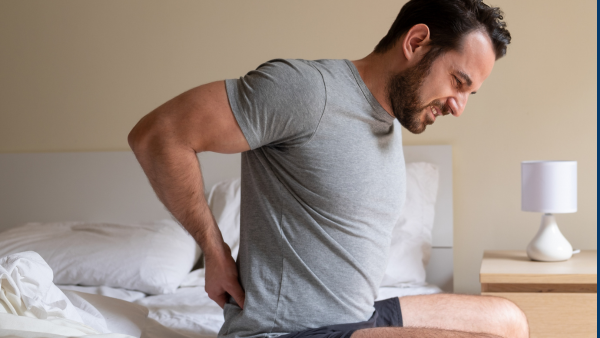
While short periods of rest can be helpful after an injury, prolonged inactivity often contributes to stiffness and reduced function.
Pain Doesn’t Always Mean Damage
One of the most important concepts in modern pain science is this:
Pain does not always equal injury.
While pain is an important warning signal, it doesn’t always mean damage is occurring.
Think about a paper cut.
A tiny paper cut can be surprisingly painful.
Yet a bruise may be much larger and hurt far less.
The amount of pain we feel is influenced by many factors, including:
- Previous experiences
- Stress levels
- Sleep quality
- Fitness levels
- General health
- Confidence in movement
Sometimes tissues can be safe and healthy, yet still feel sensitive.
This is why people are often surprised to discover that gradual movement can actually help reduce discomfort, even when they initially expected movement to make things worse.
What Happens Inside Your Body When You Move?
Movement creates a remarkable number of positive changes throughout the body.
Regular exercise can help:
Improve Circulation
Movement increases blood flow to muscles and tissues, helping deliver oxygen and nutrients where they’re needed.
Maintain Joint Mobility
Joints rely on movement to stay healthy.
Regular movement helps nourish joint surfaces and reduce stiffness.
Build Strength
Stronger muscles provide support and stability for joints, making everyday activities easier.
Improve Confidence
The more we successfully move, the more confidence we often develop in our body’s abilities.
Support Mental Wellbeing
Exercise is associated with improved mood, reduced stress and better overall wellbeing.
Reduce Pain Sensitivity
Research suggests regular physical activity may help the nervous system become less sensitive to pain over time.
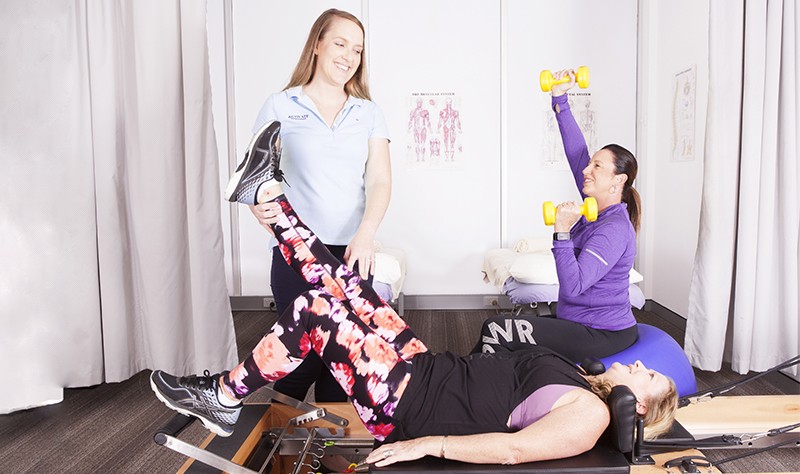
Movement improves circulation, strengthens muscles and helps your body become more resilient over time.
The Surprising Benefits of Movement for Common Conditions
Arthritis
Many people with arthritis worry that exercise will wear out their joints.
In reality, appropriate exercise is one of the most effective ways to manage arthritis symptoms.
Movement can help improve:
- Strength
- Joint mobility
- Balance
- Function
- Confidence
While some discomfort may occur initially, avoiding movement altogether often leads to increased stiffness and reduced function.
Back Pain
Years ago, prolonged bed rest was commonly recommended for back pain.
Today we know that staying active is often one of the best things people can do.
Walking, strengthening exercises and gradual return to activity are now widely recommended as part of back pain management.
Neck Pain
Many people spend long hours sitting at desks, working on computers or looking at screens.
Movement breaks throughout the day can help reduce stiffness and improve comfort.
Tendon Pain
Conditions such as Achilles tendinopathy, tennis elbow and shoulder tendon pain often respond well to carefully prescribed loading programs.
Rather than avoiding movement completely, tendons generally benefit from the right amount of movement. The right exercises help to restore strong healthy tendon tissue that is able to better withstand load and stop cyclical chronic tendonitis.
Old Injuries
Old injuries often become more noticeable during periods of inactivity or when trying to start activity again.
Regular movement helps maintain strength, mobility and confidence, reducing the likelihood of flare-ups.
What If Exercise Makes My Pain Worse?
This is one of the most common concerns people have.
The answer depends on the type of pain you’re experiencing.
Some mild discomfort during or after exercise can be completely normal, particularly when starting a new program.
However, severe pain, significant swelling or symptoms that continue worsening should be assessed by a healthcare professional.
The goal isn’t to push through pain at all costs.
The goal is to find the right type and amount of movement for your body.
This is where professional guidance can be extremely valuable.
How Much Movement Do You Actually Need?
The good news is you don’t need to become an athlete or sign-up for the next Hyrox or CrossFit challenge.
For most adults, benefits can come from:
- Regular walking
- Strength training
- Swimming
- Cycling
- Clinical Pilates
- Supervised exercise classes
- Recreational activities you enjoy
Consistency is far more important than perfection.
A sustainable movement routine performed regularly will almost always outperform an ambitious program that lasts only a few weeks.
The best exercise is often the one you’ll actually continue doing.
What If You’re Not Ready for Exercise Yet?
While movement is one of the most effective tools we have for managing pain, some people need help taking that first step.
If pain, stiffness or reduced mobility is making exercise difficult, treatment may help create a window of opportunity for movement.
At Activate Physiotherapy, treatments such as physiotherapy, massage therapy, IASTM (Instrument Assisted Soft Tissue Mobilisation) and cupping may help reduce discomfort and improve mobility, making it easier to begin moving again.
Importantly, these treatments aren’t intended to replace exercise.
Instead, they can help support your ability to participate in movement, which is where long-term improvements are often achieved.
From there, options such as Clinical Pilates, supervised exercise classes and personalised exercise programs can help build strength, resilience and confidence over time.

Sometimes treatment can help reduce pain and improve confidence before progressing into exercise.
Should I exercise if I'm in pain?
In many cases, yes. Appropriate exercise is often one of the most effective ways to manage pain, improve function and maintain mobility. The key is choosing the right activity and intensity for your situation.
Will exercise make arthritis worse?
No. Exercise does not cause arthritis to worsen. In fact, regular exercise is one of the most recommended strategies for managing arthritis symptoms. The trick is knowing how much of what type of exercise will help and this is when it is sometimes best to seek help from an exercise expert.
Why does movement help to reduce pain?
Movement improves circulation, builds strength, maintains joint mobility and may help reduce pain sensitivity over time.
What if walking hurts?
Walking isn’t the only option. Depending on your condition, alternatives such as cycling, swimming, Clinical Pilates or supervised exercise programs may be more appropriate.
How do I know if I'm doing too much?
If your symptoms are becoming progressively worse, lasting longer than expected or significantly affecting your daily activities, it may be worth seeking professional advice to review your program.
The Bottom Line
When it comes to managing many common aches and pains, movement is one of the most powerful tools available.
That doesn’t mean every exercise is right for every person.
Nor does it mean you should ignore pain and push through severe symptoms.
What it does mean is that avoiding movement altogether is rarely the answer.
For most people, the path to feeling better involves gradually building strength, improving mobility and increasing confidence in what their body can do.
Because movement isn’t just exercise.
Movement is medicine.
Key Takeaways
- Movement is one of the most effective tools for managing many common pain conditions.
- Rest has a role, but prolonged inactivity often contributes to stiffness and reduced function.
- Pain does not always mean damage is occurring.
- Regular movement can improve strength, mobility, confidence and overall wellbeing.
- Treatments such as physiotherapy, massage, IASTM and cupping can help support your ability to move comfortably.
- Consistency is often more important than intensity.
- The best exercise is usually the one you can continue doing long term.
“One of the biggest misconceptions about pain is that we should stop moving until it disappears. In reality, appropriate movement is often one of the most powerful tools we have to reduce pain, improve confidence and help people get back to doing the things they love.”
Recent Comments