
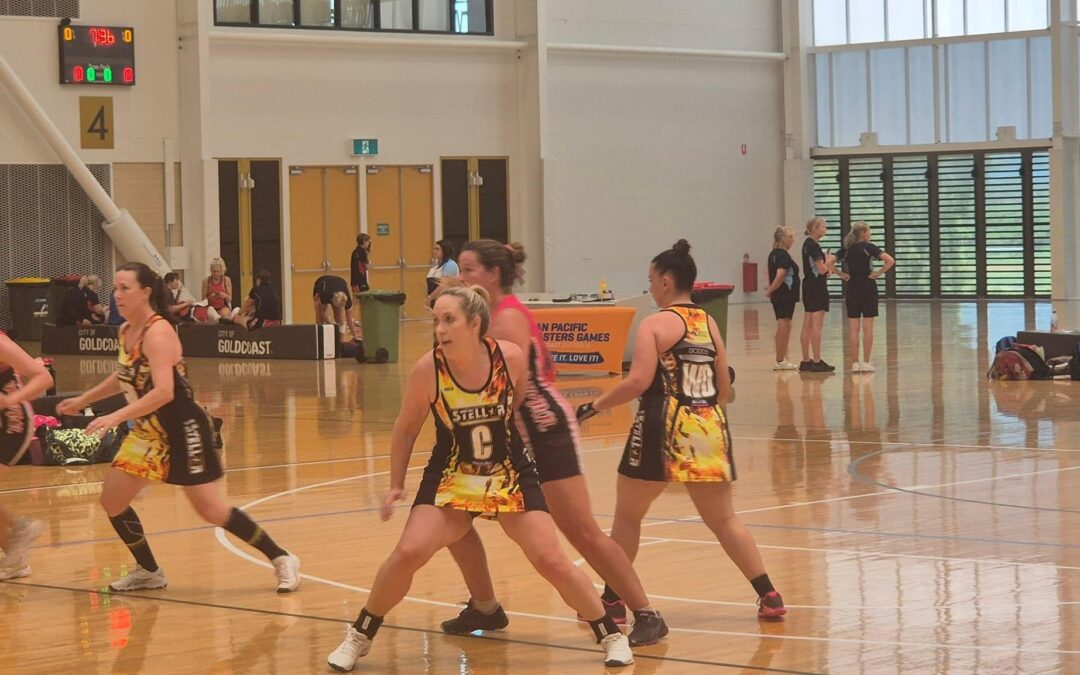
The weather’s warming up, the days are getting longer, and suddenly that morning walk, afternoon run or trip to the gym sounds a whole lot more appealing.
Spring is a great time to get moving again. But if you’ve been a little less active over winter, it’s worth giving your body some time to catch up with your enthusiasm.
Whether you’re getting back into walking, returning to running, restarting your gym routine or simply trying to feel fitter and stronger, a gradual approach can help you build consistency without being sidelined by unnecessary aches and pains.
At Activate Physiotherapy, we often see people who are keen to get active again but aren’t quite sure how much is too much, whether their soreness is normal or what to do when an old niggle starts making itself known.
The good news? You don’t have to be completely pain-free, super fit or following the perfect exercise program to get started. You just need to start at a level that works for you.
Why Does Exercise Feel Harder After a Break?
Ever gone for your first run in months and wondered how something that used to feel easy could suddenly feel so difficult?
You’re not imagining it. There’s actually a physiological reason for that.
When we reduce our activity levels for an extended period, our bodies begin to adapt to the reduced demands we’re placing on them. This process is known as deconditioning, and it can affect several systems involved in exercise and movement.
Some of the changes that can occur include:
-
Reduced cardiovascular fitness: Our heart, lungs and circulatory system become less efficient at meeting the demands of exercise. Changes such as reduced blood volume and aerobic capacity can mean you feel puffed sooner, even during activities that previously felt comfortable.
-
Reduced muscle strength and endurance: Without regular loading, our muscles can lose some of their strength and ability to sustain repeated effort. You might notice your legs fatigue earlier on a walk, or that your usual gym weights suddenly feel heavier.
-
Changes in tendon and joint loading tolerance: Our tendons, muscles and other supporting tissues adapt to the demands we regularly place on them. After a period of reduced activity, they may be less prepared for a sudden increase in running, jumping or resistance training.
-
Reduced movement efficiency: Regular exercise helps maintain the coordination and neuromuscular control involved in familiar movements. After a break, some activities may initially feel less natural or require more effort.
Interestingly, our cardiovascular fitness can begin to decline within just a few weeks of significantly reduced activity, while changes in muscle strength and connective tissue capacity can occur over different timeframes.
This is one reason you might feel fit enough to push through a run, but find your calves, knees or Achilles tendons aren’t quite as happy about it the next day.
The important thing to understand is that deconditioning isn’t permanent, and it doesn’t mean your body is damaged.
Our bodies are remarkably adaptable. With the right amount of progressive exercise, we can rebuild strength, improve cardiovascular fitness and gradually increase the capacity of our muscles and tendons to tolerate activity.
The trick is giving those different systems enough time to adapt, rather than expecting them all to pick up exactly where they left off.

1. Start Where You Are, Not Where You Left Off
One of the most common mistakes people make when returning to exercise is expecting their body to perform exactly as it did before their break.
Perhaps you used to run 5 km three times a week. Or maybe you were doing regular Pilates classes, lifting weights or walking for an hour every morning.
It’s tempting to jump straight back into that routine, particularly if you remember how good it made you feel.
But your previous fitness level isn’t necessarily your current starting point.
A better approach is to start with an amount of exercise you can comfortably manage now, then gradually build from there.
If you’re returning to walking
Start with a manageable walk, perhaps 15–20 minutes, depending on your current fitness and comfort.
If that feels good and you’re recovering well, gradually increase your distance, pace or frequency.
You don’t need to tackle every hill in your neighbourhood on day one!
If you’re getting back into running
Consider alternating short periods of jogging and walking rather than heading straight out for your old 5 km route.
For example, you might begin with one minute of jogging followed by two minutes of walking, repeated for a comfortable number of rounds.
As your fitness and tolerance improve, you can gradually increase the running portions.
If you’re restarting gym workouts
Resist the temptation to lift the same weights or complete the same number of sets you were doing months ago.
Start with lighter loads, fewer sets or shorter sessions and focus on rebuilding your technique and consistency.
Remember: the goal of your first few sessions isn’t to prove how fit you are. It’s to build a foundation that lets you keep going.
2. Learn the Difference Between Muscle Soreness and Pain
It’s a question we hear regularly:
“I’m sore after exercising. Is that normal, or have I injured myself?”
The answer depends on what you’re feeling, when it started and how it’s changing.

What does normal muscle soreness feel like?
Delayed onset muscle soreness, commonly called DOMS, is particularly common when you return to exercise or try something your body isn’t used to.
It generally:
- Develops several hours after exercise, often becoming more noticeable over the following 24–72 hours.
- Feels like a dull ache, tenderness or stiffness in the muscles you’ve worked.
- May affect both sides of your body, particularly after activities like squats or lunges.
- Gradually improves over the next few days.
For example, if you’ve returned to the gym after a few months off and your thighs feel stiff when you sit down the next morning, that may simply be your muscles responding to an unfamiliar workout.
When might pain be a sign of injury?
Pain deserves closer attention when it:
- Is sharp, sudden or associated with a particular movement or incident.
- Is localised to a specific joint, tendon or area.
- Gets progressively worse during exercise.
- Causes you to limp or change the way you move.
- Is accompanied by significant swelling, instability or loss of function.
- Persists or worsens rather than gradually settling with recovery.
Not every ache means you’ve injured yourself, and some discomfort can be manageable during rehabilitation. But pain that is unusual, worsening or affecting your normal activities is worth investigating.
A useful rule of thumb: Mild muscle soreness that gradually settles is often a normal response to exercise. Pain that is getting worse, changing how you move or limiting what you can do deserves more attention.
If you’re unsure, a physiotherapist can help you work out what’s happening and whether you need to modify your activity.
3. Don’t Forget About Strength Training
When the weather warms up, many of us naturally think about walking, running, cycling or getting outside more.
But there’s another important part of returning to exercise: building strength.
Strength training isn’t just for people who love the gym, and it certainly isn’t just about lifting heavy weights.
Building and maintaining muscle strength helps support your joints, improves your capacity for everyday activities and makes it easier to participate in the things you enjoy.
That might mean:
- Having the strength and endurance to walk further without tiring.
- Feeling more confident carrying groceries, lifting children or doing jobs around the house.
- Building the muscle capacity needed to return to running or recreational sport.
- Maintaining strength and physical function as you get older.
For many adults, aiming to include muscle-strengthening activities on at least two days each week is a useful goal, consistent with Australian physical activity guidelines.
And it doesn’t have to be complicated.
Squats to a chair, calf raises, step-ups, resistance bands and appropriately selected weights can all be useful starting points.
The right exercises and level of difficulty will depend on your current strength, goals and any injuries or health conditions you need to consider.
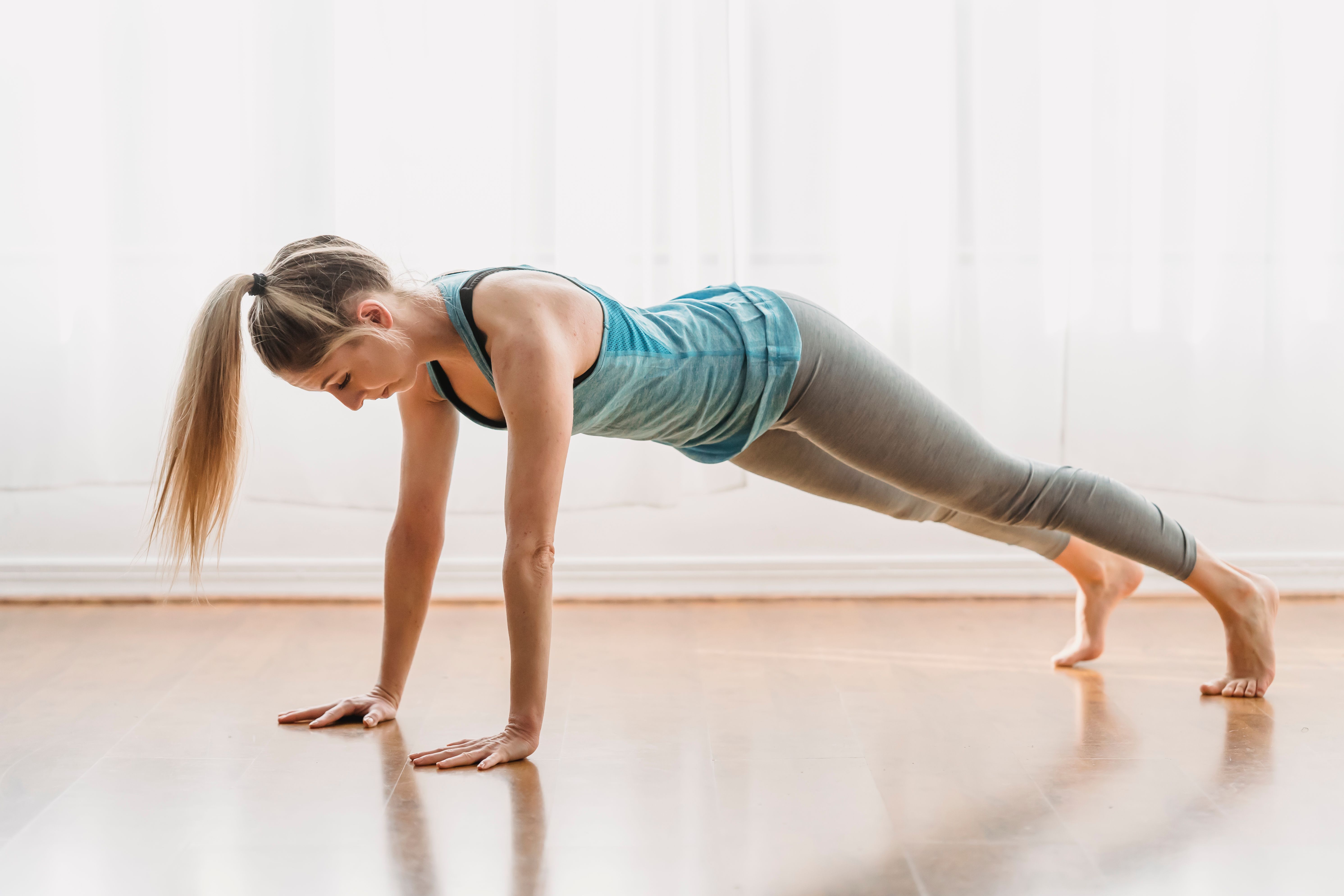
4. Build Consistency Before Intensity
When you’re motivated to get fit again, it’s easy to think that more exercise must mean faster progress.
But one of the most important parts of returning to activity is allowing enough time for your body to recover and adapt.
You don’t need to exercise at maximum intensity every session to see benefits.
In fact, a routine you can maintain is generally far more valuable than one huge week of exercise followed by two weeks off because you’re exhausted or sore.
What might a realistic first week look like?
For someone returning to general exercise after a quieter winter, it could be as simple as:
-
Monday: A comfortable 20-minute walk.
-
Tuesday: A short home-based strength session.
-
Wednesday: An easier day or some gentle movement.
-
Thursday: Another walk, perhaps a little longer if you’re recovering well.
-
Friday: A second strength session.
-
Weekend: A bike ride with the kids, a family walk or another activity you enjoy.
This is just an example, not a prescription. The right starting point will vary from person to person.
If you’re already managing this amount comfortably, you might be ready for more. If you’re recovering from an injury or have been inactive for a long time, you may need to begin with less.
The important thing is to find a starting point that feels achievable and build from there.
5. Pay Attention to Those Little Niggles
We all know the feeling.
Your back feels a bit stiff after sitting at your desk. Your knee starts complaining when you head downhill. Or that old Achilles niggle makes an appearance after your first few runs.
It’s tempting to ignore it and hope it disappears as you get fitter.
And sometimes, minor discomfort does settle as your body adapts.
But if the same problem keeps appearing, is gradually getting worse or starts affecting your confidence to exercise, it’s worth understanding why.
It may be related to a sudden increase in activity, reduced strength or capacity, or another issue that needs assessment.
That doesn’t automatically mean you need to stop exercising.
Often, modifying the amount or type of activity, improving strength or addressing a particular movement limitation can help you continue progressing. For more on why stopping exercise isn’t always the answer read our article: Why Movement is Medicine for Pain.
The aim isn’t always to stop moving until you’re completely pain-free. It’s to find the right amount and type of movement for your body.
When Should You See a Physiotherapist About Returning to Exercise?
You don’t need to wait until you’re injured to see a physiotherapist.
A physiotherapy assessment can be useful if:
-
You’re returning to exercise after an injury or an extended break and aren’t sure where to start.
-
You have recurring back, neck, knee, hip or tendon pain.
-
An old injury keeps flaring up whenever you increase your activity.
-
You’re unsure whether the pain you’re experiencing is normal exercise soreness.
-
You want help building strength and confidence before returning to running, sport or the gym.
A physiotherapist can assess your movement, strength, symptoms and goals, then help you develop a plan appropriate for your individual circumstances.
For some people, that might mean a few simple exercises and advice about managing their training load. For others, it might involve a more structured rehabilitation program.
Frequently Asked Questions About Getting Back Into Exercise
How quickly should I increase exercise after a break?
How quickly you increase exercise after a break isn’s a simple one-fits-all answer. There isn’t one perfect rate of progression for everyone. Start with an amount you can manage, monitor how you feel during and after activity, and gradually increase as your fitness and recovery allow. Try to avoid making large changes to your exercise frequency, duration and intensity all at once.
Should I exercise if my muscles are sore?
Yes, you are generally safe to exercise even with sore muscles. Mild muscle soreness after unfamiliar exercise is common, and gentle movement may help you feel more comfortable. You might choose an easier session or work different muscle groups while the soreness settles. If the pain is severe, worsening or affecting normal movement, seek advice before pushing through.
Is walking enough to get fit again?
Walking is an excellent way to rebuild physical activity and improve cardiovascular fitness, particularly if you’ve been less active. Adding strength training can provide additional benefits for your muscles, bones and everyday physical function. But, if you have a specific goal or activity in mind you should aim to improve your activity tolerance by building up the skills required to achieve your goal.
Can I exercise if I have back or knee pain?
Yes, in many cases, appropriately modified exercise can be beneficial for people with back or knee pain. However, the right type and amount of exercise depends on the cause of your symptoms. If pain is persistent, worsening or significantly affecting your activities, an individual assessment is recommended.
Make This Spring the Start of Something Good
You don’t need to overhaul your entire routine, sign up for a marathon or suddenly become a five-days-a-week gym person.
Maybe your goal is to walk a few mornings a week before the school run. Maybe it’s getting back into netball, feeling stronger in the gym or having the energy to keep up with the kids on weekends.
Whatever you’re working towards, start with something manageable, give your body time to adapt and build on your progress.
Because getting active again isn’t about how hard you can push yourself on day one. It’s about finding a way to keep moving, feeling stronger and enjoying the things you love.
Need a Little Help Getting Moving Again?
At Activate Physiotherapy, our physiotherapists and exercise professionals help people build strength, manage pain and return to the activities that matter to them.
Whether you’re dealing with a recurring niggle, recovering from an injury or simply unsure where to start, we’re here to help you move forward with confidence.
Visit our Tingalpa or Stafford clinics to discuss your goals and find an approach that works for you.
One of the biggest mistakes people make when getting back into exercise is trying to pick up exactly where they left off. Your fitness might have changed during your break, but that doesn’t mean you can’t get back to where you were. It’s about starting at the right level, gradually rebuilding your strength and fitness, and giving your body time to adapt.
Recent Comments